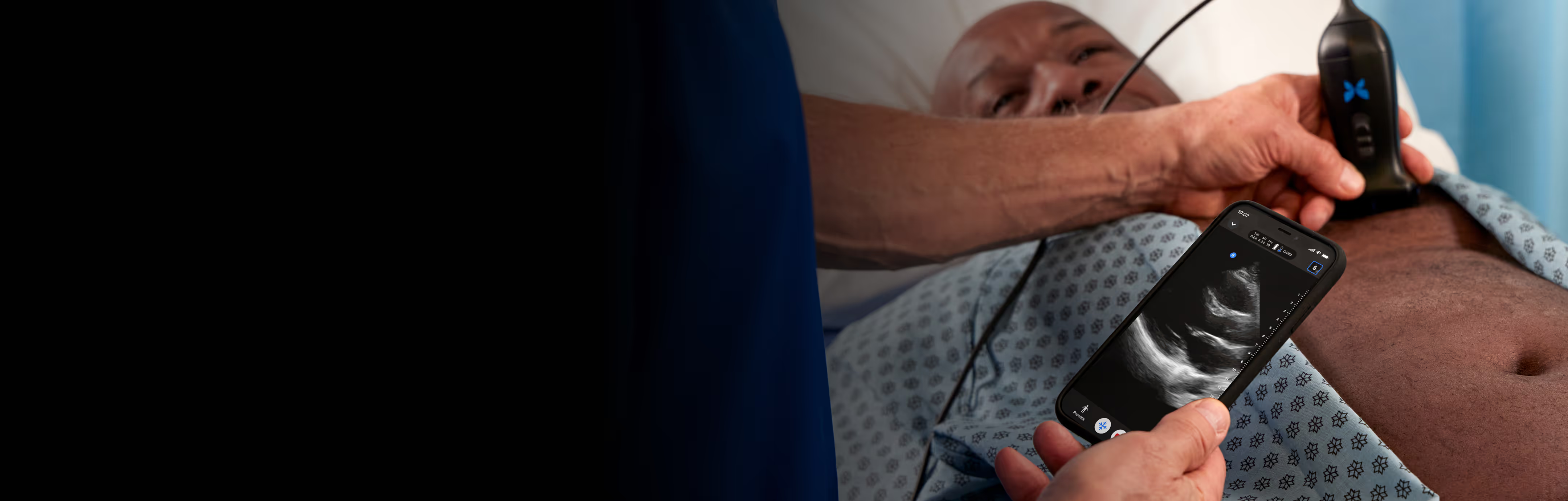
Emergency care demands speed. Butterfly POCUS lets you get answers in real time.
Instant best-in-class imaging and documentation.
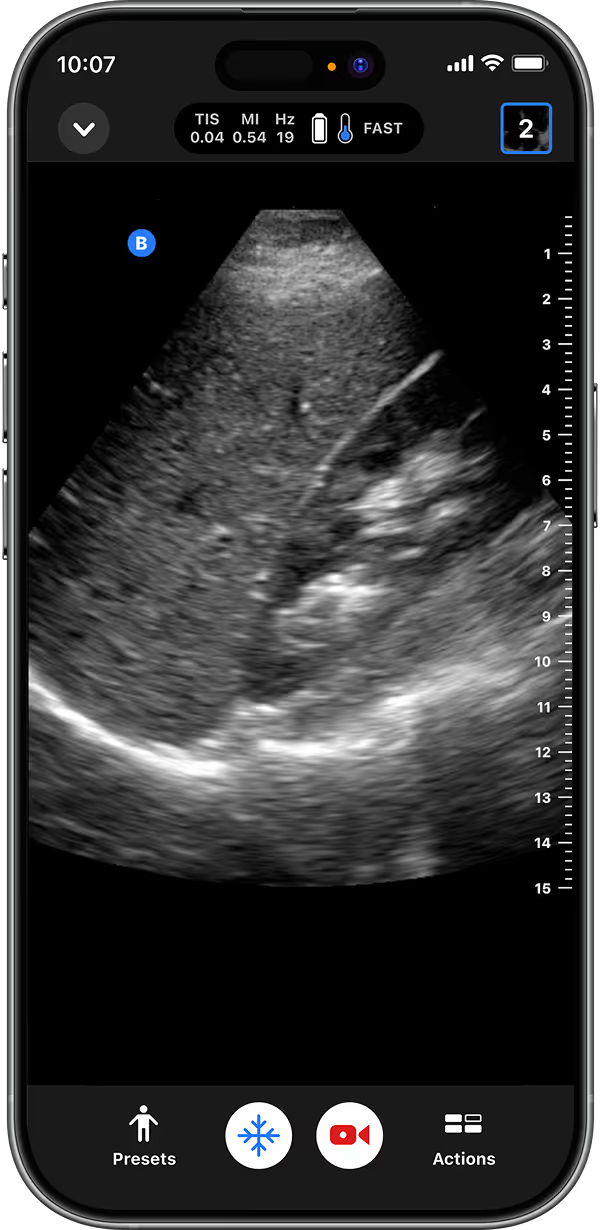


Rule out life-threatening injuries in seconds when there is no time to waste.
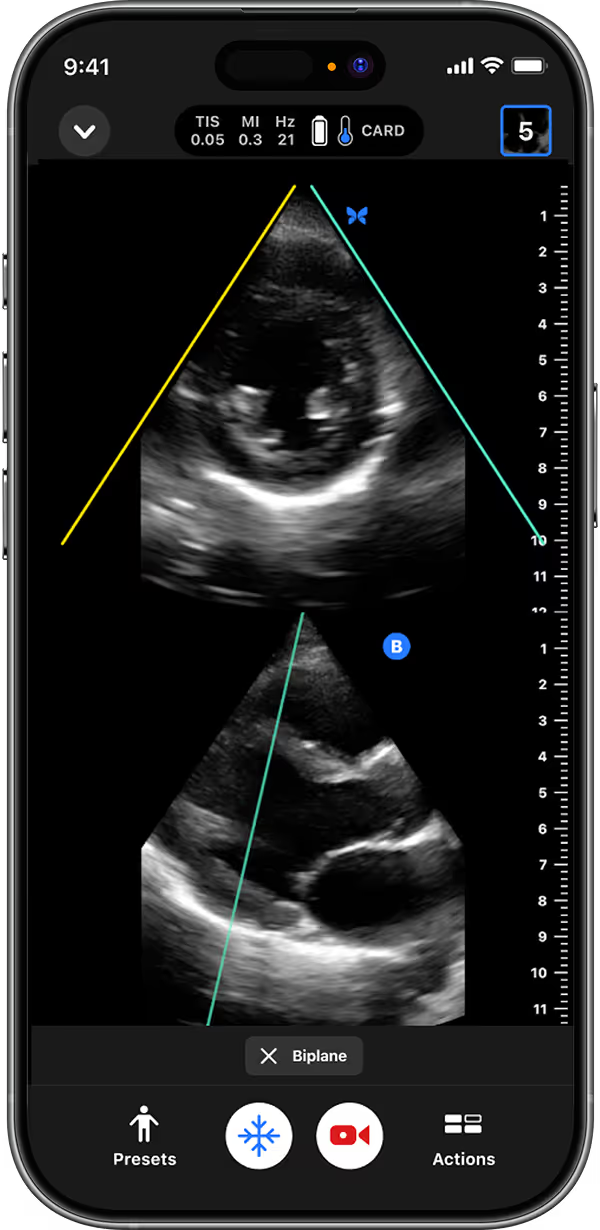

Assess cardiac function, confirm cardiac standstill or an alternative cause of arrest like fine VF, tamponade, a massive PE, or severe hypovolemia on the spot.
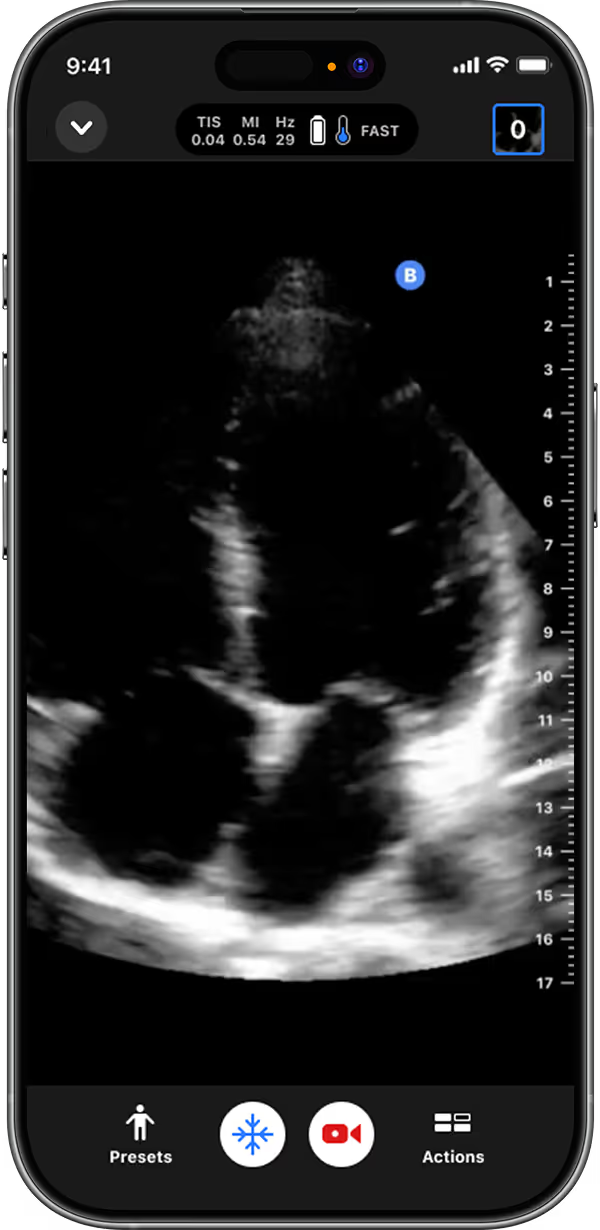

Assess the heart, IVC, lungs, and abdomen with one probe.
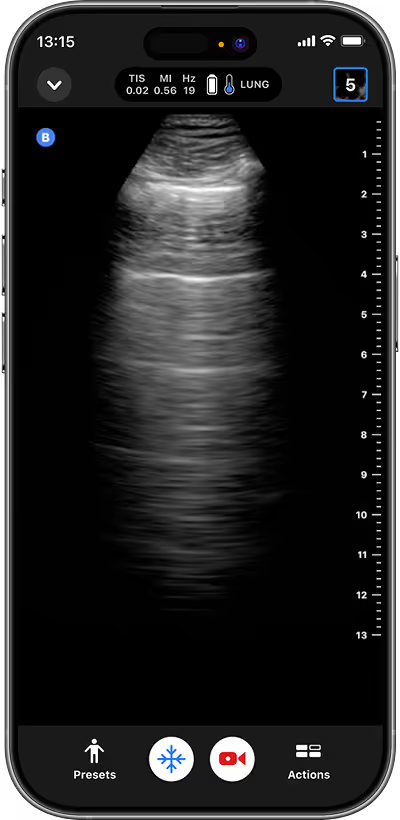

Quickly differentiate between pneumonia, CHF, or a pneum othorax — without waiting for another test.
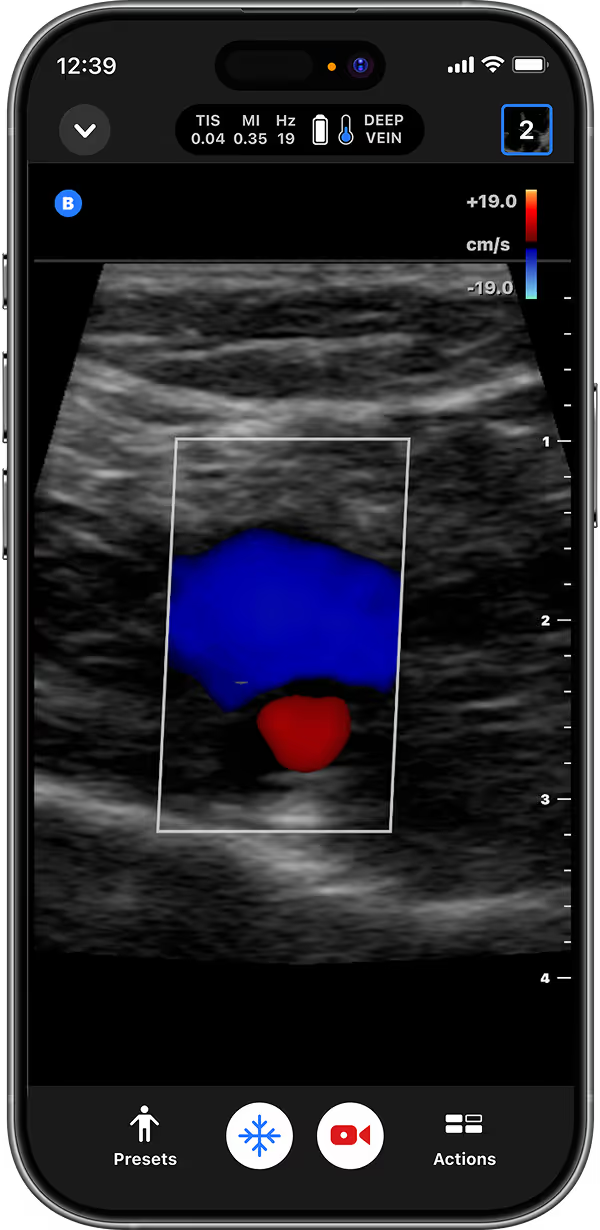

Perform a DVT POCUS exam right at the bedside - no waiting for a vascular study.
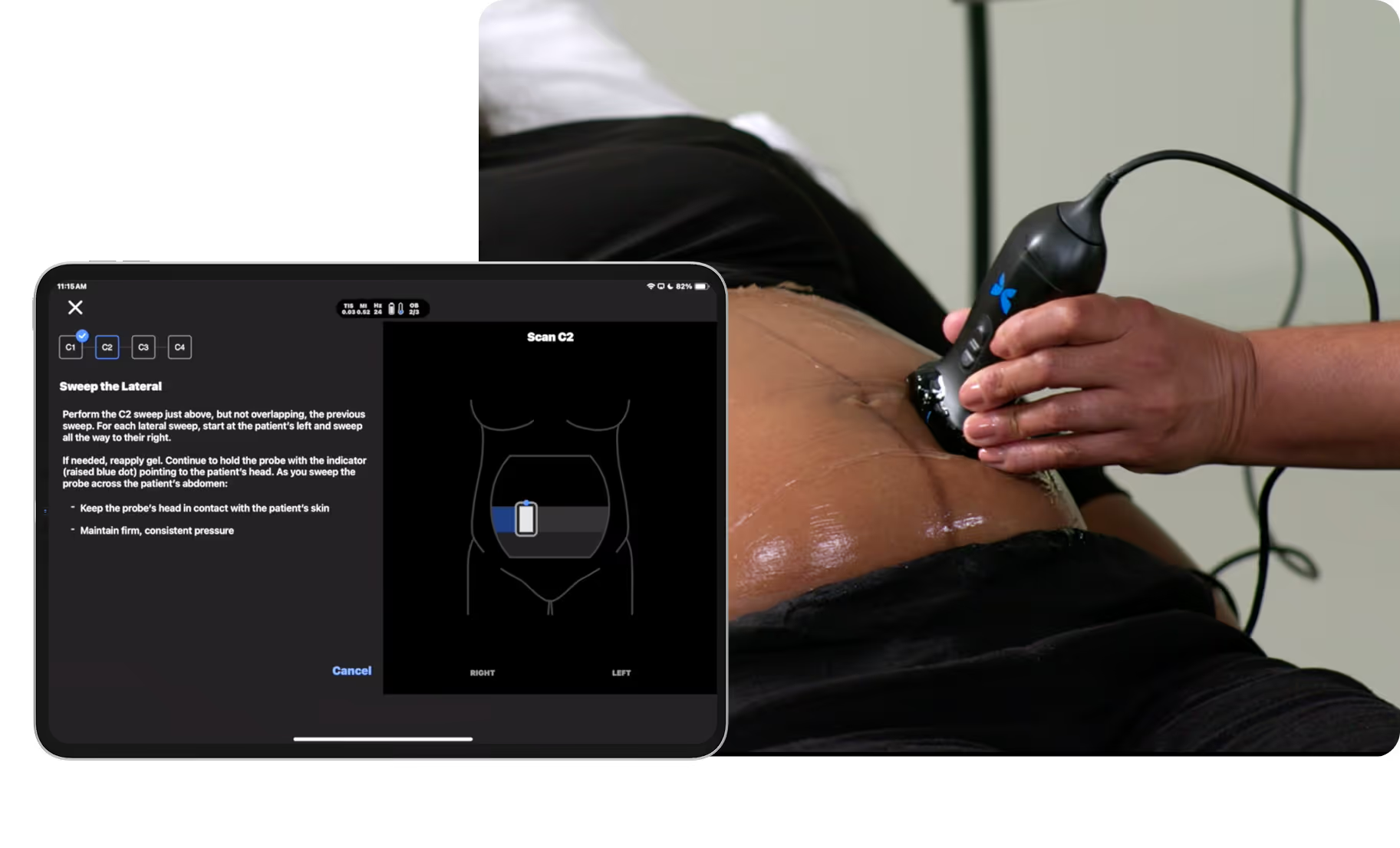
Meet the world’s first blind-sweep gestational age tool.
Get an accurate gestational age estimate in under 2 minutes. No image capture. No interpretation. No biometry.
“People that practice emergency medicine without POCUS don't have the benefit of knowing how much better they could practice emergency medicine with POCUS.”

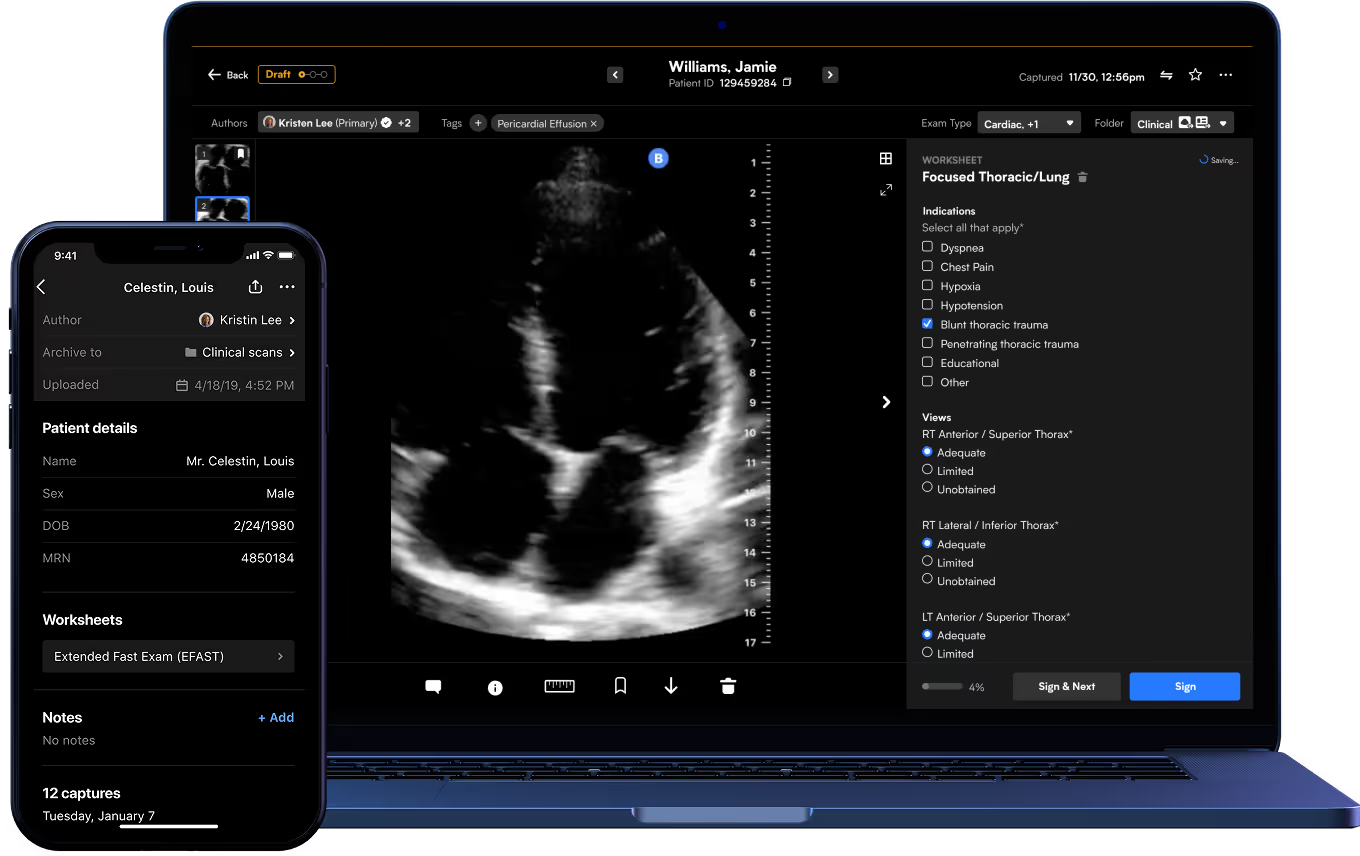

This isn’t theory. It’s clinical reality.
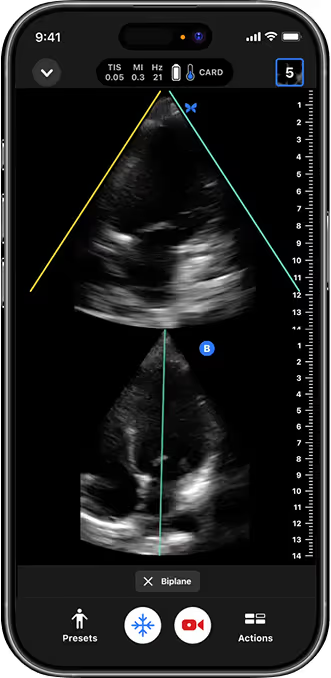
Cardiac Biplane imaging
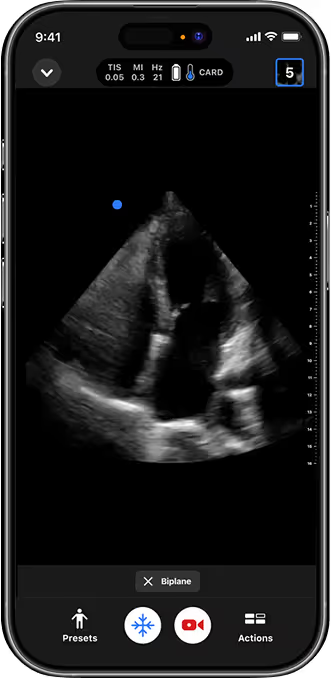
Cardiac AP4
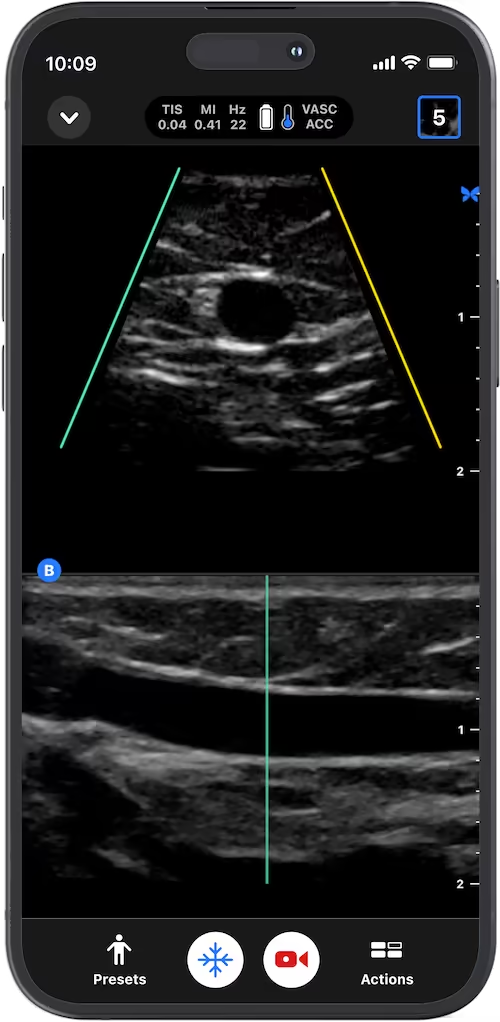
Vascular access Biplane imaging
Step into the new era of medical imaging.
Learn how to adopt cleaner ultrasound with the only handheld ultrasound device that meets RoHS limits.

Frequently Asked Questions
How is ultrasound used in emergency medicine?

Ultrasound is used in emergency medicine for rapid bedside assessment across a wide range of critical conditions including internal bleeding, pericardial effusion, pneumothorax, DVT, aortic aneurysm, and cardiac arrest. Emergency physicians use POCUS to guide time-sensitive decisions without waiting for radiology or transporting unstable patients. Butterfly iQ3 is widely used in emergency departments because it enables any bedside clinician to access imaging instantly.
What is POCUS in emergency medicine?
Point-of-care ultrasound (POCUS) in emergency medicine is real-time ultrasound performed by the treating clinician at the bedside to support immediate diagnostic and treatment decisions. Common emergency POCUS applications include eFAST exams for trauma, cardiac views for undifferentiated shock, lung ultrasound for dyspnea, and vascular access. Butterfly devices are designed for this environment — pocket-sized, and durable.
What is an eFAST exam and can Butterfly be used for it?
The eFAST (extended Focused Assessment with Sonography in Trauma) exam is a standardized bedside ultrasound protocol used in trauma resuscitation to rapidly assess for internal bleeding, pericardial effusion, and pneumothorax. Yes, Butterfly iQ3 is well suited for eFAST exams — the single probe covers all required views.
Why use handheld ultrasound in the ER?
Handheld ultrasound like Butterfly iQ3, enables faster bedside imaging in the emergency department without moving unstable patients or waiting for a shared cart-based machine. Emergency physicians can perform time-sensitive assessments — cardiac, lung, abdominal, vascular — in real time using a device that stays with them throughout a shift. Compass AI automates documentation so scan records are captured even in high-volume, high-pressure environments.
Can handheld ultrasound be used for cardiac arrest management?
Yes. Point-of-care ultrasound, including with Butterfly devices, is used during cardiac arrest resuscitation to identify reversible causes such as pericardial tamponade, massive PE, tension pneumothorax, and severe hypovolemia. Ultrasound-guided resuscitation is increasingly standard in advanced emergency and critical care practice.
How does Butterfly support high-volume emergency department workflows?
Butterfly iQ3 can integrate with Compass AI to automatically capture documentation at the point of scan — reducing the administrative burden on emergency physicians who perform multiple POCUS exams per shift. This reduces ghost scans, supports accurate billing, and provides program directors with visibility into scan volume and quality across the department.
Is Butterfly used in prehospital and EMS settings?
Yes. Butterfly devices are used by paramedics, flight medics, and emergency medical services in prehospital settings. The rugged, pocket-sized design and smartphone connectivity make Butterfly iQ3 practical tools for trauma assessment, cardiac evaluation, and IV access guidance in ambulances, helicopters, and field environments.